How Do Entrance Doors Impact Home Energy Efficiency?

Time:2026-07-20 Author:Ethan
0%

The entrance door of a home plays a crucial role in overall energy efficiency. According to energy efficiency expert, Dr. Lydia Carr, "A quality entrance door can save homeowners substantial energy costs." This highlights just how important it is to understand how entrance doors affect home energy efficiency.

An entrance door acts as the first line of defense against outside temperatures. When doors fail to seal properly, they can lead to significant energy loss. Drafts, air leaks, and outdated materials can drive up heating and cooling bills. Many homeowners overlook this aspect, often opting to replace windows instead. However, the right door can make a remarkable difference in maintaining a comfortable indoor environment.

Choosing an energy-efficient door involves several factors. Insulation, materials, and design all play a role in performance. Homeowners should consider these elements carefully. A door that does not fit well or lacks proper insulation can undermine energy-saving efforts. Reflecting on these aspects can enhance energy efficiency, making an entrance door a vital investment for any home.
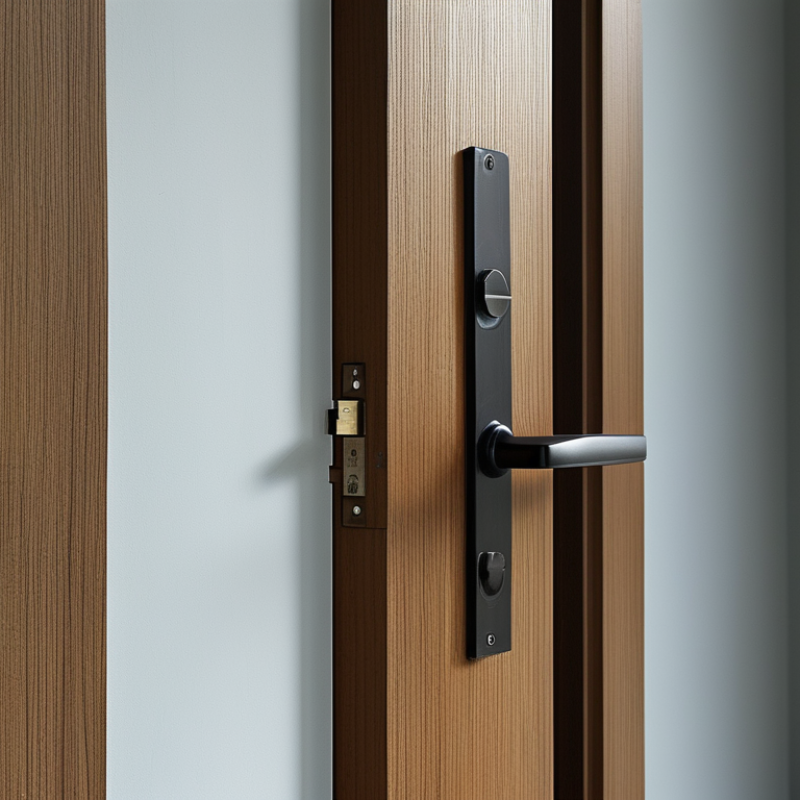
How Do Entrance Doors Impact Home Energy Efficiency?

Impact of Entrance Door Materials on Energy Loss and Insulation Ratings

The choice of entrance door materials significantly influences a home's energy efficiency. Studies show that doors made of fiberglass or steel can reduce energy loss by up to 15% compared to traditional wood doors. This impact stems from their superior insulation properties. Fiberglass doors, in particular, offer excellent thermal resistance, often achieving R-values above 5. In contrast, standard wood doors typically only reach R-values around 3.

Additionally, the energy performance of entrance doors is crucial in energy ratings. According to the U.S. Department of Energy, well-insulated doors can prevent cold drafts and heat loss, which is especially valuable during extreme weather conditions. Yet, many homeowners overlook this aspect, opting for aesthetics over functionality. This can lead to higher energy bills and decreased comfort.

Proper installation also plays a vital role. Poorly fitted doors create gaps that let air seep through, undermining insulation efforts. In recent reports, nearly 20% of homes surveyed showed energy loss due to inadequate sealing around entrance doors. Investing time in selecting the right material and ensuring a proper fit can yield long-term savings and comfort.

Energy Consumption and Savings: Evaluating Door Performance Metrics

The performance of entrance doors plays a crucial role in a home's energy efficiency. Energy loss often occurs through poorly insulated doors. Traditional materials may not provide adequate thermal resistance. This results in increased energy bills year-round. A well-insulated door can significantly reduce heating and cooling demands.

Evaluating door performance metrics involves looking at various factors. U-factor measures thermal transfer. The lower the U-factor, the better the insulation. In contrast, Solar Heat Gain Coefficient (SHGC) indicates how much solar radiation comes through the door. A door with a low SHGC can help lower cooling costs in the summer.

Choosing the right entrance door can lead to noticeable energy savings. However, not all doors are created equal. Some may have appealing designs but lack energy efficiency. Homeowners should prioritize energy performance over aesthetics. Reflecting on these metrics can guide better decisions for long-term savings.

Comparative Analysis of Entry Door Energy Efficiency Across Manufacturers

When considering energy efficiency in homes, entry doors play a crucial role. Different manufacturers offer a range of door materials and designs. This variety impacts how well they insulate and keep outside temperatures at bay. For instance, fiberglass doors often outperform wooden ones in terms of insulation. However, wood can provide a warmer aesthetic that some homeowners prefer.

Another important factor is the energy rating of the doors. Some manufacturers provide detailed ratings that reflect their products' performance. These ratings can guide homeowners in making informed decisions. A door that is Energy Star certified may help reduce heating and cooling costs significantly. It’s vital to compare these energy ratings objectively across various brands.

Installation also affects energy efficiency. A poorly installed door can create gaps, leading to drafts. It's essential to focus on both the door quality and the quality of installation. Homeowners need to ensure they understand these aspects. Sometimes, a low-cost door may lead to higher energy bills if not installed properly. An informed approach is key to maximizing benefits.

How Do Entrance Doors Impact Home Energy Efficiency? - Comparative Analysis of Entry Door Energy Efficiency Across Manufacturers

Door Type Material U-Value (W/m²·K) R-Value (ft²·°F·h/BTU) Air Infiltration Rate (cfm/ft²) Estimated Annual Energy Savings
Fiberglass Fiberglass Reinforced 0.15 6.67 0.01 $200
Steel Galvanized Steel 0.20 5.00 0.02 $150
Wood Solid Wood Core 0.25 4.00 0.03 $120
Composite Composite Material 0.18 5.56 0.01 $180
Vinyl Vinyl Foam 0.14 7.14 0.01 $210

The Role of Weatherstripping and Sealing in Energy-Efficient Doors

Weatherstripping and sealing are essential for energy-efficient doors. These components create a barrier against drafts. Inadequate sealing can lead to significant energy loss. Gaps around doors allow cold air to seep in. This increases heating costs during winter. Proper weatherstripping helps maintain a consistent indoor temperature.

There are various types of weatherstripping materials available. Foam tape is affordable and easy to install. V-strip or tension seals offer durability and effectiveness. Consider using door sweeps to block drafts at the bottom. Regular inspection of seals ensures they remain intact. Over time, materials can degrade, reducing efficiency.

Tips: Check for gaps around your door frame. Use a flashlight to see any light coming through. If you notice any, it's time to replace or improve your weatherstripping. Also, do not overlook the hinges. Oil them to ensure they close tightly. Keep in mind that even small gaps can have a big impact on energy bills.

Case Studies: Energy Savings Achieved with Upgraded Entrance Doors

Upgrading entrance doors can lead to significant energy savings in homes. Many homeowners underestimate how much heat escapes through old doors. A case study in a temperate region showed that switching to a modern, insulated door reduced heating costs by nearly 15%. The air-tight seal of new models prevents drafts effectively, ensuring that indoor temperatures remain stable.

Another case highlighted a family that replaced their drafty wooden door with a metal one. They reported a remarkable decrease in energy bills just one month after the upgrade. They noted that their home felt warmer during winter months. However, some homeowners may find it challenging to choose the right door. There are countless options, and factors like style and insulation ratings can be overwhelming.

Moreover, not every home will have the same energy efficiency gains. The effectiveness of a door depends on the overall insulation of the house. Homeowners should assess factors like window quality and wall insulation. It’s crucial to take a holistic approach. A beautiful door won't help if other areas of the home are lacking in efficiency. Each upgrade should be considered carefully to ensure meaningful energy savings.

FAQS

: How do entrance door materials affect energy efficiency?

: Materials like fiberglass and steel can reduce energy loss by up to 15%. They provide better insulation than wood.

What is the R-value, and why is it important?

R-value measures thermal resistance. Higher R-values mean better insulation. Fiberglass doors often exceed R-values of 5.

How does the installation of doors affect energy loss?

Poor installation creates gaps. These gaps let air in, leading to energy loss and increased bills. Proper fitting is essential.

What metrics should homeowners evaluate for door performance?

Homeowners should consider the U-factor and Solar Heat Gain Coefficient. These metrics indicate thermal transfer and solar radiation.

Can upgrading doors lead to energy savings?

Yes, upgrading to insulated doors can significantly lower heating costs. Some homeowners see up to a 15% reduction in heating bills.

How can aesthetics impact door selection?

A door may look good but lack insulation. Prioritizing energy performance over appearance is vital for long-term savings.

What challenges do homeowners face when selecting a door?

Homeowners often feel overwhelmed by choices. Style and insulation ratings can complicate decision-making.

Does overall home insulation matter when upgrading doors?

Yes, a door’s impact depends on overall home insulation. Windows and walls must also be efficient for maximum savings.

What can be done to improve insulation around doors?

Ensure proper sealing around doors. Regular checks can prevent air leaks and improve energy efficiency.

Is it worth investing in a high-performance entrance door?

Yes, while it’s an initial investment, it can lead to significant energy savings and increased comfort over time.

Conclusion

Entrance doors play a crucial role in determining how entrance doors affect home energy efficiency by influencing energy loss and insulation ratings. The materials used in door construction significantly impact their performance metrics, resulting in varying levels of energy consumption and savings. A comparative analysis of energy efficiency across different manufacturers reveals that not all doors are created equal, highlighting the importance of selecting high-performance options.

Additionally, the effectiveness of weatherstripping and sealing is essential for maintaining an energy-efficient home. Proper installation can reduce drafts and further enhance insulation. Case studies show that homeowners who upgrade their entrance doors often experience significant energy savings, demonstrating the tangible benefits of investing in quality doors for improved energy efficiency.

Ethan

Ethan

Ethan is a seasoned marketing professional with a deep expertise in our company's innovative product line. With a passion for sharing knowledge and insights, he takes the lead in regularly updating our corporate blog, where he explores industry trends, product features, and effective marketing......