Why Door Sealing Systems Are Essential for Home Insulation?

Time:2026-06-01 Author:Ethan
0%

Home insulation plays a crucial role in maintaining a comfortable living environment. One effective solution to enhance insulation is door sealing systems. These systems create a robust barrier against drafts and external weather conditions. By reducing air leaks, homeowners can save on energy costs and improve indoor comfort.

Understanding why door sealing systems improve home insulation begins with recognizing the impact of gaps and cracks. Even small openings can allow cold or warm air to enter or escape. This results in higher energy consumption for heating and cooling. Moreover, inadequate insulation may lead to uneven temperatures in different rooms. With proper sealing, you can create a more uniform and pleasant environment.

Professionally installed door sealing systems not only enhance comfort but also contribute to the longevity of your home. They prevent moisture buildup, which could lead to mold and structural issues. Investing in door sealing is a step toward a more energy-efficient and healthier home. Overall, assessing your current insulation and considering improvements can lead to significant benefits.
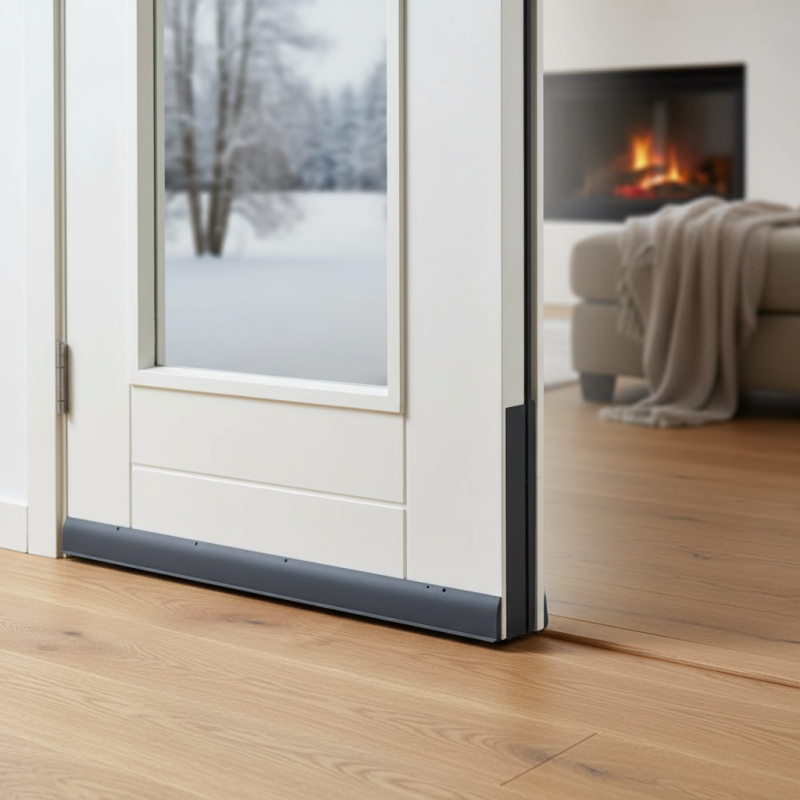
Why Door Sealing Systems Are Essential for Home Insulation?

Importance of Door Sealing Systems in Energy Efficiency

Door sealing systems play a crucial role in enhancing energy efficiency within homes. According to the Department of Energy, nearly 30% of a home's heating and cooling energy can be lost through doors and windows. These systems prevent drafts, ultimately reducing energy consumption. Proper installation can save homeowners up to 20% on their energy bills annually.

Sealing your door effectively can also improve indoor air quality. Gaps allow dust, pollen, and even insect infiltration. A well-sealed door minimizes these issues, leading to a healthier living environment. The Weatherization Assistance Program emphasizes the importance of sealing as a cost-effective method to maintain energy efficiency.

Tips: Regularly check for gaps and wear in your door seals. A simple visual inspection can save you from costly energy losses. Using weather stripping is an easy DIY solution. Remember, even small cracks can add up to significant energy waste. Being proactive about sealing can lead to long-term benefits for both your wallet and the environment.

Why Door Sealing Systems Are Essential for Home Insulation

Aspect Description Impact on Energy Efficiency
Air Leakage Unsealed doors can allow outside air to enter, leading to drafts. Increases heating and cooling costs; decreases overall comfort.
Moisture Control Effective sealing prevents moisture ingress that can lead to mold. Improves indoor air quality and protects property.
Temperature Regulation Sealed doors help maintain consistent indoor temperatures. Reduces reliance on heating and cooling systems.
Energy Savings Proper sealing contributes to lower energy bills. Long-term savings on utility expenses.
Noise Reduction Sealing can minimize external noise intrusion. Enhances overall comfort and privacy in the home.

Impact of Air Leakage on Home Heating and Cooling Costs

Air leakage is a significant culprit in inflated heating and cooling costs for many homes. When a house isn’t properly sealed, warm air escapes in winter, and cool air dissipates in summer. This leads to overworking HVAC systems, which increases energy consumption. Homeowners frequently overlook tiny cracks and gaps around doors and windows. These seemingly minor leaks can add up to a major waste of energy.

The impact of air leakage extends beyond costs. It can create discomfort in living spaces. Rooms may feel drafty, causing uneven temperatures throughout the house. In many cases, people might rely on additional heaters or air conditioners, further driving up expenses. Repairing these leaks can seem overwhelming, yet the benefits are substantial.

Investing in door sealing systems is one practical solution. They help to maintain a consistent indoor climate. This not only enhances comfort but also promotes energy efficiency. Some homeowners might hesitate to take action, thinking the changes will be insignificant. However, even small improvements in sealing can yield noticeable savings.

Addressing air leakage is not just about immediate comfort; it’s also a step toward a more sustainable home.

Common Types of Door Sealing Systems and Their Effectiveness

Door sealing systems play a vital role in maintaining home insulation. They help prevent drafts, reduce energy costs, and provide comfort. Common types include weatherstripping, door sweeps, and thresholds. Each has unique strengths and weaknesses.

Weatherstripping is versatile and easy to install. It helps block air leaks around doors. However, it may need regular replacement due to wear and tear.

Door sweeps seal the bottom of a door. They stop cold air and moisture from entering. Yet, poor installation can lead to gaps that undermine their effectiveness.

Thresholds create a barrier against outdoor elements. They can reduce noise as well as drafts. But, improper sizing or placement can result in insufficient coverage.

Homeowners should consider their specific needs when choosing a system. Regular inspection and maintenance are crucial to ensure continued performance.

Industry Statistics on Energy Loss Due to Poor Sealing

Many homeowners underestimate the impact of poor door sealing systems on energy efficiency. Statistics reveal that homes lose up to 30% of their heating and cooling due to inadequate sealing. This energy loss can significantly inflate utility bills. Moreover, it affects indoor comfort by allowing drafts. The gaps around doors create an inviting space for outdoor air, leading to fluctuating temperatures indoors.

Experts emphasize that investing in proper sealing around doors can lead to substantial savings. A well-sealed home maintains a consistent temperature, reducing the need for excessive heating or cooling. This not only conserves energy but also extends the lifespan of heating and cooling systems. However, many still overlook this essential aspect of home maintenance.

A survey found that nearly 50% of homeowners have never inspected their door seals. This raises concerns about energy waste. Understanding the statistics can motivate proactive measures. Addressing door sealing is a simple yet crucial step towards improving home insulation. The benefits far outweigh the efforts involved, making it a wise decision for every homeowner.

Best Practices for Installing and Maintaining Door Seals

Proper installation and maintenance of door seals can significantly improve your home's insulation. First, assess the condition of your door frame. Gaps between the door and frame lead to heat loss. Using a simple ruler or straight edge can help identify these gaps. A snug fit is crucial for optimal sealing. It's also wise to choose the right materials based on your climate. Rubber or vinyl seals might work well in wet conditions, while foam can be a good choice for dry areas.


Regular maintenance is essential for longevity. Inspect seals for wear and tear at least twice a year. Signs such as cracking or peeling indicate it’s time for replacement. Cleaning the surfaces before reapplying seals ensures a secure fit. Remember, over time, seals may compress. This can lead to decreased efficiency and increased energy costs. Listening to the subtle drafts can guide you in timely maintenance. Taking these measures not only preserves insulation effectiveness but also enhances comfort in your home.

FAQS

: What is the role of door sealing systems in energy efficiency?

: Door sealing systems prevent drafts, reducing energy consumption and saving up to 20% on energy bills annually.

How do door seals improve indoor air quality?

Sealed doors minimize dust, pollen, and insect infiltration, creating a healthier living environment.

What happens if door seals wear out?

Worn seals can lead to costly energy losses and reduced indoor air quality. Regular checks are important.

What are common types of door sealing systems?

Common types include weatherstripping, door sweeps, and thresholds, each with unique strengths and weaknesses.

How often should I inspect my door seals?

Inspect seals at least twice a year for wear and tear. Look for signs like cracking or peeling.

What should I consider when choosing door seal materials?

Choose materials based on your climate. Rubber works well in wet areas, while foam is better for dry conditions.

Can poor installation affect the effectiveness of door sweeps?

Yes, improper installation can create gaps, undermining their ability to block air and moisture.

Why is it important to clean surfaces before applying new seals?

Clean surfaces ensure a secure fit and maximize the effectiveness of the seals over time.

How can small gaps affect energy efficiency?

Even tiny cracks can lead to significant energy waste, making regular sealing necessary.

What are some signs that my door seals need replacement?

Cracking, peeling, or noticeable drafts can indicate that it's time to replace door seals.

Conclusion

Door sealing systems play a crucial role in improving home insulation by minimizing air leakage, which significantly impacts energy efficiency. When gaps around doors allow air to escape, heating and cooling costs can rise, leading to increased energy bills. Understanding why door sealing systems improve home insulation is essential for homeowners looking to enhance comfort and reduce energy expenses.

Common types of door sealing systems, such as weatherstripping and door sweeps, effectively mitigate these leaks when installed correctly. Industry statistics highlight that poor sealing can lead to substantial energy loss, emphasizing the need for regular maintenance and best practices for installation. By investing in high-quality door seals, homeowners can significantly enhance their home's energy conservation, ultimately supporting a more sustainable living environment.

Ethan

Ethan

Ethan is a seasoned marketing professional with a deep expertise in our company's innovative product line. With a passion for sharing knowledge and insights, he takes the lead in regularly updating our corporate blog, where he explores industry trends, product features, and effective marketing......