In recent years, the rise of mobile access systems has transformed how people enter their homes. These systems have significantly improved security and convenience. Leading expert in home security, Dr. Emma Carter, emphasizes this change: “Mobile access systems not only enhance security but also redefine user experience at home.”
As homeowners seek innovative solutions, mobile access systems offer more than just keyless entry. With smartphone integration, users can control access remotely. This technology enables instant notifications of who enters the home. However, with these advancements, questions arise about reliability and potential vulnerabilities.
While mobile access systems streamline home entry, they also require careful consideration. Balancing convenience with security is essential. Homeowners must stay informed about the latest technologies and choose systems that fit their needs. As we explore how mobile access systems change home entry, understanding both the benefits and challenges is crucial.
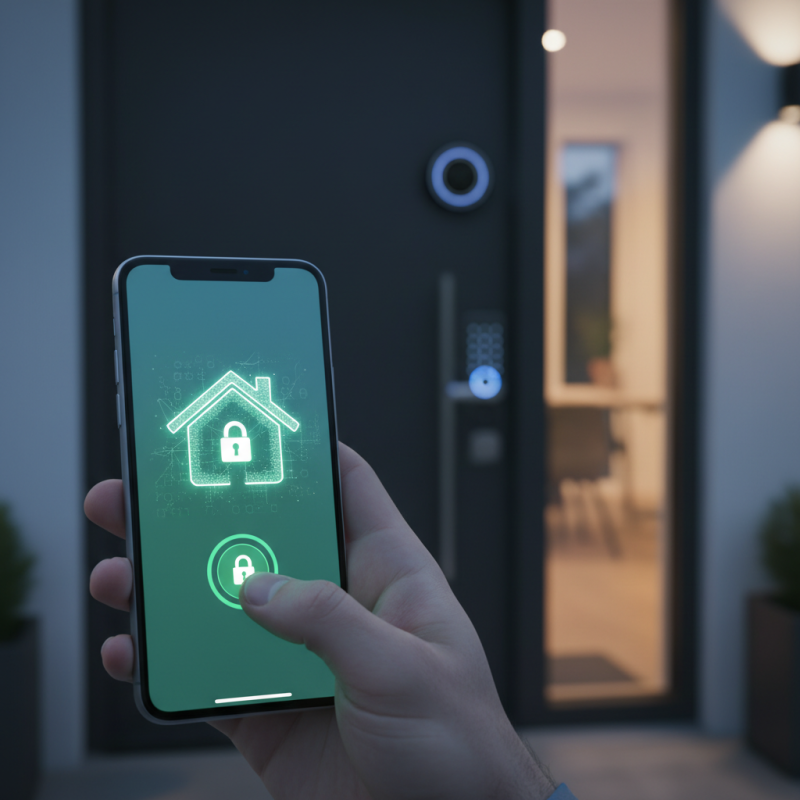
Mobile access systems are rapidly changing how we secure our homes. These systems integrate smartphones with locking mechanisms, offering ease and flexibility. Imagine walking up to your door and unlocking it with a simple tap on your phone. This convenience transforms daily routines, especially for busy individuals. However, reliance on technology can lead to vulnerabilities.
Security concerns exist, especially with network breaches. If a hacker gains access to your phone, they could control your home entry. Regular software updates are essential, yet many neglect them. A system is only as reliable as its security measures. Keeping up with technological advances is crucial for homeowners.
These systems also bring challenges in user habits. Some may forget passwords or get locked out. In moments of frustration, the benefits can be overshadowed by accidental lockouts. A deeper understanding of these access systems can empower homeowners. They should consider both the advantages and potential drawbacks. Taking the time to learn about mobile access can lead to a more secure home environment.
Mobile access systems revolutionize home entry security, offering convenience and enhanced protection. These systems utilize smartphones and other mobile devices to manage access to homes. Homeowners can easily grant or deny entry to guests through a user-friendly app. This feature eliminates the need for physical keys, reducing the risk of unauthorized access.
One notable aspect of mobile access systems is their ability to monitor entry points in real-time. Homeowners receive instant notifications when someone enters or exits their property. This real-time insight fosters a sense of security, especially for families with children. However, connectivity issues or app malfunctions can pose challenges. Relying entirely on technology might make some feel vulnerable.
Another essential feature is the customizable access levels. Homeowners can set different permissions for family members, services, or guests. This ensures that only trusted individuals can enter the home. Yet, it requires ongoing management and communication about access rights. Balancing convenience and security is crucial in making these systems effective.
Mobile access systems are changing how we secure our homes. These technologies offer convenience and flexibility that traditional keys can’t match. Homeowners can control entry through smartphones. This eliminates the need for physical keys that can be lost or stolen. The simplicity of locking and unlocking doors with a swipe is appealing to many.
One major benefit is remote access. Imagine being able to grant entry to visitors while you’re miles away. This feature is useful for service providers or unexpected guests. Mobile systems often come with built-in alerts. Homeowners receive notifications about any entry attempts. This level of awareness enhances security and gives peace of mind.
While mobile access systems offer clear advantages, there are still concerns. Technical issues can occur, such as connectivity problems. What happens if your device runs out of battery? This reliance on technology can be unsettling. Additionally, not everyone is comfortable with digital solutions. Some may find traditional keys more straightforward. Balance between old and new methods may be necessary.
| Feature | Mobile Access Systems | Traditional Entry Methods |
|---|---|---|
| Convenience | Access from smartphone anywhere | Physical keys required |
| Security | Real-time access monitoring | Limited tracking of access |
| User Management | Easily add/remove users | Difficult to manage keys |
| Access Control | Customizable permissions | Fixed access for all key holders |
| Integration | Works with home automation systems | Standalone system |
| Cost | Initial investment but long-term savings | Recurring costs for locksmiths |
The shift towards mobile access systems is shaping how we think about home security. While these systems offer convenience, there are significant challenges to consider during implementation. For example, a recent report found that 70% of consumers are concerned about data security when using mobile access technology. This concern arises mainly from the potential for unauthorized access through vulnerabilities in mobile applications.
Another challenge is the lack of uniform standards across devices. Many mobile access systems are designed with proprietary technology. This can lead to compatibility issues, making it difficult for homeowners to integrate different security solutions. A study showed that 40% of users had trouble with device synchronization, often resulting in reduced functionality or complete system failure.
User adoption also presents hurdles. A significant segment of the population is hesitant to adopt new technology. According to industry surveys, 55% of homeowners prefer traditional keys over mobile access options. This resistance can stem from unfamiliarity or perceived complexity in operating mobile systems. Addressing these concerns is essential for widespread acceptance and effective implementation of mobile access solutions in home security.
Mobile access systems are changing how we secure our homes. They offer innovative solutions for entry that prioritize both convenience and safety. As technology evolves, these systems become more integrated into our daily lives. The rise of smart devices means that homeowners can control access remotely, adding a layer of flexibility to traditional security approaches.
Looking towards the future, we will witness trends that enhance user experience. Biometric components like facial recognition and fingerprint scanning will be more common. This shift allows for a seamless entry while significantly improving security levels. However, reliance on technology raises questions. What happens if the system fails? How do we ensure that backups are in place?
Moreover, the integration of AI will streamline access management. Homeowners will receive alerts, monitor entry points, and manage permissions in real-time. Yet, the challenge lies in maintaining privacy and data security. As these systems gather personal information, it’s crucial to address potential risks. Balancing convenience with security will be essential for the future of mobile access systems.
: Mobile access systems use smartphones and devices to manage home entry. They enhance convenience and security.
Homeowners receive instant notifications when someone enters or exits. Real-time insights enhance the feeling of security.
Yes, homeowners can customize permissions for family, services, or guests. This requires ongoing management of access rights.
70% of consumers worry about data security and unauthorized access from vulnerabilities in mobile apps. This concern is significant.
Yes, the lack of uniform standards can lead to integration problems. Many systems use proprietary technology affecting functionality.
About 55% of homeowners feel hesitant about mobile systems. This is often due to unfamiliarity or perceived complexity.
Biometric technology, like facial recognition, will become more common. Yet, failure of the system raises concerns about backups.
AI will help streamline permissions and provide alerts. Maintaining privacy while managing data is crucial for user trust.
Users may face challenges from technology reliance or app malfunctions. Some may feel vulnerable without a traditional key.
Mobile access systems are revolutionizing home security by providing a high-tech alternative to traditional entry methods. These systems utilize smartphones and other mobile devices to grant access, allowing homeowners to control entry from anywhere. Key features include remote locking and unlocking, customizable access permissions, and real-time notifications. The convenience, enhanced security, and ability to monitor home entry remotely illustrate how mobile access systems change home entry for the better.
Despite their advantages, implementing mobile access systems comes with challenges, including ensuring cybersecurity and integrating with existing security measures. As the technology continues to evolve, future trends point towards increased automation, advanced biometric authentication, and integration with smart home systems, further solidifying the role of mobile access in modern home security.
Orix Steel